Professional Mold Removal Services in Kansas City for Homes and Businesses
Mold growth can develop when moisture remains in a property after a leak, flooding, water damage, high humidity, condensation, or another moisture problem. Mold removal in Kansas City should therefore address more than visible growth—it should identify the moisture source, determine where mold is present, and establish the appropriate cleanup and remediation approach.
Restoration Services KC provides professional mold removal and mold remediation services for residential and commercial properties throughout the Kansas City area. Depending on the condition of the property, the process may involve a professional assessment, mold inspection, moisture investigation, appropriate mold testing, containment, air filtration, removal of affected materials, cleaning and disinfection, drying, dehumidification, and moisture control.
If you have visible mold, a persistent musty odor, suspected hidden mold, or mold that developed after water damage, contact Restoration Services KC to discuss the condition of your property and the appropriate next step.
- 24/7 Emergency Restoration Support
- Professional Damage Assessment
- Complete Property Recovery Solutions
What Is Mold Removal and When Is Professional Remediation Needed?
Mold removal refers to addressing mold growth by identifying affected areas, removing mold-contaminated materials when necessary, cleaning the affected space, and addressing the moisture conditions that allowed the growth to develop.
The exact approach depends on the extent of contamination, the materials involved, the moisture source, and whether hidden areas or building systems may be affected.
Mold remediation is broader than physically removing visible mold. A professional remediation plan can include inspection, moisture investigation, containment, air filtration, removal, cleaning and disinfection, drying, dehumidification, moisture control, final inspection, and restoration when needed.

24/7
Emergency Restoration Support
Mold Removal vs. Mold Remediation
Mold removal generally describes the physical removal of mold or contaminated materials. Mold remediation services address the wider problem: where the moisture came from, where contamination exists, how the affected area should be controlled, what materials need attention, and what steps are necessary after cleanup.
That distinction matters because simply cleaning visible mold without addressing the underlying moisture problem may leave the conditions that support recurring mold growth.
The goal is not simply to make visible mold disappear. The goal is to understand the source, extent, affected materials, cleanup requirements, and moisture conditions so the property can be addressed appropriately.
When Should You Consider Professional Mold Removal?
Professional evaluation may be appropriate when mold is extensive, hidden mold is suspected, mold follows significant water damage, moisture continues to affect the property, HVAC contamination is suspected, or contaminated water has been involved.
Common warning signs include:
- Visible mold growth
- A persistent musty odor
- Water stains or previous leaks
- Mold after flooding or water damage
- Mold behind drywall or around other building materials
- Recurring mold after previous cleaning
- Excess humidity or persistent moisture
- Suspected mold in a basement, attic, crawl space, or HVAC system
How Does the Mold Removal Process Work?
A professional mold remediation process should be based on the property's actual moisture conditions, affected materials, contamination level, and access to the affected area. While every project is different, the work can follow a sequence that moves from investigation to controlled cleanup and moisture correction.
Mold Inspection and Initial
Assessment
The process begins by evaluating the visible or suspected mold problem and the surrounding property conditions. A mold inspection can help identify affected areas, signs of moisture, building materials involved, and locations where further investigation may be appropriate.
Moisture Investigation and Source Identification
Because moisture is closely connected to mold growth, the next step is understanding where the moisture came from and whether it remains present. Potential causes can include plumbing leaks, flooding, roof leaks, condensation, high humidity, or other water-intrusion conditions.
Mold Testing When Appropriate
Mold testing is not automatically necessary for every situation. When testing is appropriate, it can provide additional information for a specific assessment or decision. The need for testing should be determined by the circumstances of the property rather than treating testing as a mandatory step for every mold concern.
Mold Containment
When appropriate, affected areas can be controlled during remediation to help limit the movement of airborne particles into unaffected portions of the property. The containment approach depends on the location and extent of the affected area.
Air Filtration and Controlled
Cleanup
Appropriate air filtration can be incorporated into the remediation process when conditions call for it. Controlled cleanup helps manage the work area while affected materials and surfaces are addressed.
Removal of Mold-Contaminated Materials
Materials that cannot be effectively cleaned or that are significantly affected may require removal. This can include certain damaged building materials depending on their condition and the scope of contamination.
Mold Cleaning and Disinfection
After affected materials have been addressed, appropriate cleaning and disinfection procedures can be used for remaining surfaces based on the material and project conditions.
Drying and Dehumidification
Cleanup should not end while excess moisture remains. Dehumidification and moisture control help address the environmental conditions that can contribute to recurring mold growth.
HVAC Considerations
If mold or moisture is suspected in or around an HVAC system, additional evaluation may be necessary. HVAC-related contamination requires attention to the location and extent of the suspected contamination rather than assuming every system requires the same treatment.
Final Inspection and Verification
After remediation work is completed, the property can be reviewed to determine whether the identified work has been addressed and whether additional action is necessary. Final mold inspection or clearance testing, where appropriate, depends on the project requirements and the applicable verification process.
Restoration When Necessary
If mold remediation involves damaged drywall, flooring, insulation, or other building components that require replacement, restoration or reconstruction may become the next stage after the remediation work is completed.
What Causes Mold Growth in a Kansas City Property?
Mold growth is commonly associated with moisture that remains in or around building materials. A property may develop a mold problem after a sudden water event, a slow leak, excess humidity, or moisture that remains hidden after an earlier loss.
Mold After Water Damage
Water damage mold can develop when wet building materials are not adequately dried. A burst pipe, plumbing leak, flooding event, or other water intrusion can leave moisture inside drywall, flooring, insulation, carpet, or other materials. If you discover mold after water damage, the response may need to address both the existing mold and the moisture conditions that contributed to it. Restoration Services KC can evaluate the relationship between the water damage, affected materials, and mold concern.
Mold From Plumbing or Roof Leaks
A slow plumbing leak or roof leak may introduce moisture gradually, allowing mold to develop before the problem becomes obvious. Water stains, musty odors, deteriorating materials, or recurring dampness can indicate that further investigation is needed.
Basement, Attic and Crawl Space Mold
Moisture conditions can vary significantly by location within a property. Basement mold may be associated with water intrusion or persistent dampness, while attic mold can be connected with moisture or ventilation-related conditions. Crawl space mold can also develop where moisture remains in enclosed areas.
Mold Behind Walls and Under Flooring
Mold does not always remain visible. Moisture trapped behind drywall, inside insulation, beneath flooring, or within other building materials can create conditions where hidden mold develops.
A musty odor, previous water intrusion, staining, or recurring moisture may justify a closer inspection of areas that cannot be evaluated from the surface alone.
HVAC-Related Mold Concerns
HVAC systems can require additional attention when mold or moisture is suspected. The appropriate response depends on where the suspected contamination is located and whether the HVAC system itself is affected.
Humidity and Condensation
High humidity and condensation can create moisture conditions that support mold growth. Addressing the visible growth without addressing persistent moisture can leave the underlying problem unresolved.
For that reason, moisture control and appropriate drying or dehumidification can be an important part of a broader remediation strategy.
What Are the Health and Property Concerns Associated With Mold?
Mold inside a building can be more than a cosmetic concern. Visible growth, persistent musty odors, moisture-damaged materials, and suspected contamination can affect the condition and usability of a property and may also raise concerns about mold exposure, mold allergens, mold irritants, and indoor air quality. The appropriate response depends on the type and extent of the mold problem, where it is located, the materials involved, and whether moisture is still present.
Mold Exposure and Indoor Air Quality
Mold growth can release particles into the surrounding environment. If mold is suspected in an occupied area, especially where growth is extensive or disturbed materials may be involved, controlling the affected area and using appropriate remediation procedures can help manage the cleanup process. A persistent musty odor can also be a useful warning sign. Odor alone cannot determine the extent of contamination, but it may justify further inspection when combined with previous water damage, visible staining, or ongoing moisture.
Mold-Related Property Damage
Mold can affect building materials when moisture remains present. Depending on the location and condition, affected drywall, insulation, flooring, carpet, or other porous materials may require cleaning, drying, or removal. That is why professional mold remediation focuses on both the contamination and the moisture conditions behind it.
When Should You Avoid Disturbing Mold?
If you discover extensive visible mold, hidden mold is suspected, significant water damage is involved, or contaminated materials may be present, avoid unnecessarily disturbing the affected area until the situation can be evaluated. The safest remediation approach depends on the actual property conditions rather than treating every mold problem the same way.
Residential and Commercial Mold Removal in Kansas City
Mold can affect different types of properties, but the remediation approach may vary depending on how the building is used, where the contamination is located, and how the affected area needs to be accessed and controlled.
Residential Mold Removal
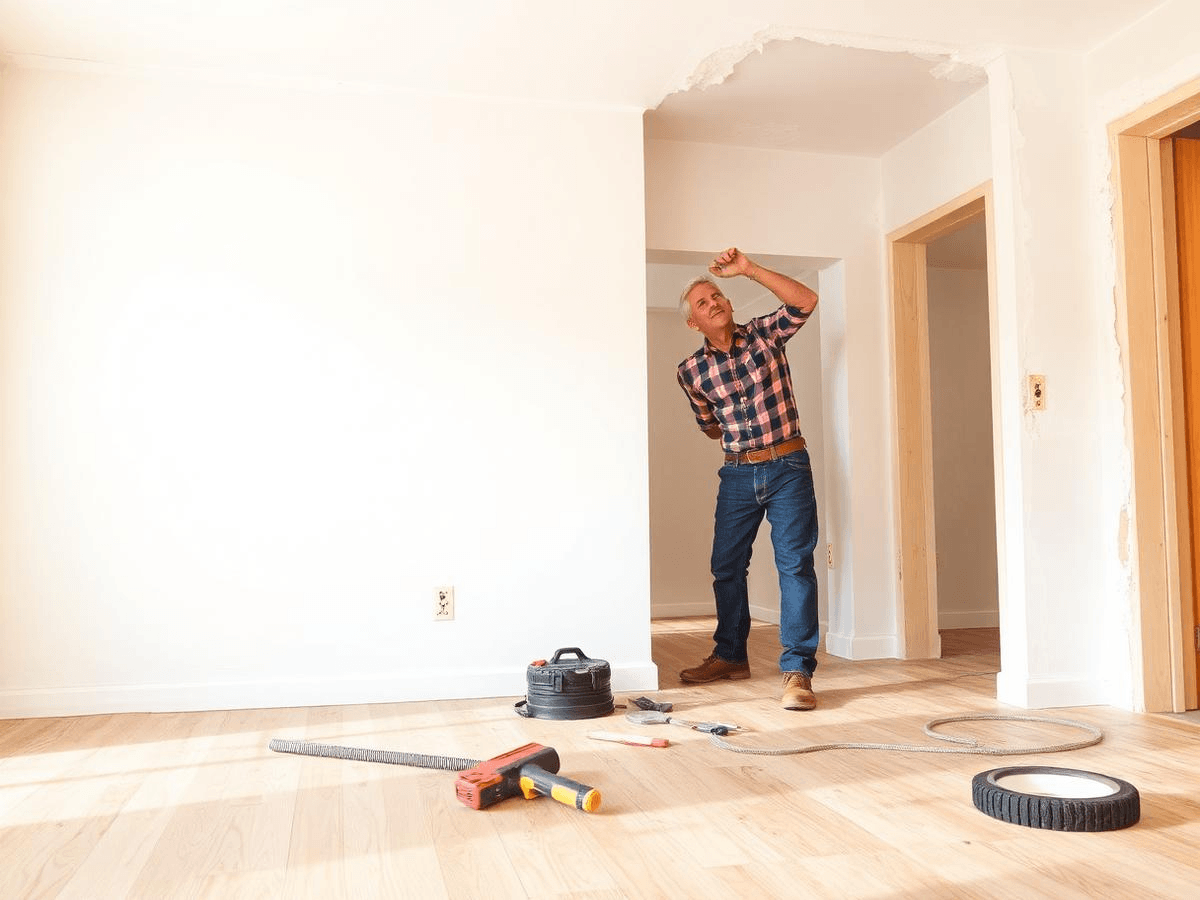
For homeowners, mold concerns may involve bedrooms, bathrooms, basements, attics, crawl spaces, kitchens, laundry areas, walls, flooring, or other parts of the home. Common residential situations include:
- Mold after water damage
- Mold caused by plumbing leaks
- Basement moisture and mold
- Attic moisture and mold
- Crawl space moisture
- Mold behind walls
- Mold in drywall or insulation
- Recurring mold after previous cleanup
- Musty odors following a leak or water event
A residential mold inspection and assessment can help determine where moisture is present, which areas may be affected, and what remediation steps may be appropriate.
Commercial Mold Remediation
Commercial properties can include offices, retail spaces, restaurants, multifamily buildings, warehouses, and other occupied or managed facilities. Commercial mold remediation may require additional consideration for:
- Employee or occupant access
- Customer-facing areas
- Business operations
- Multiple affected rooms or units
- Property-management coordination
- Containment requirements
- Moisture investigation
- Documentation of restoration work
The goal is to establish an appropriate remediation plan based on the actual contamination and moisture conditions while considering how the affected area is used.
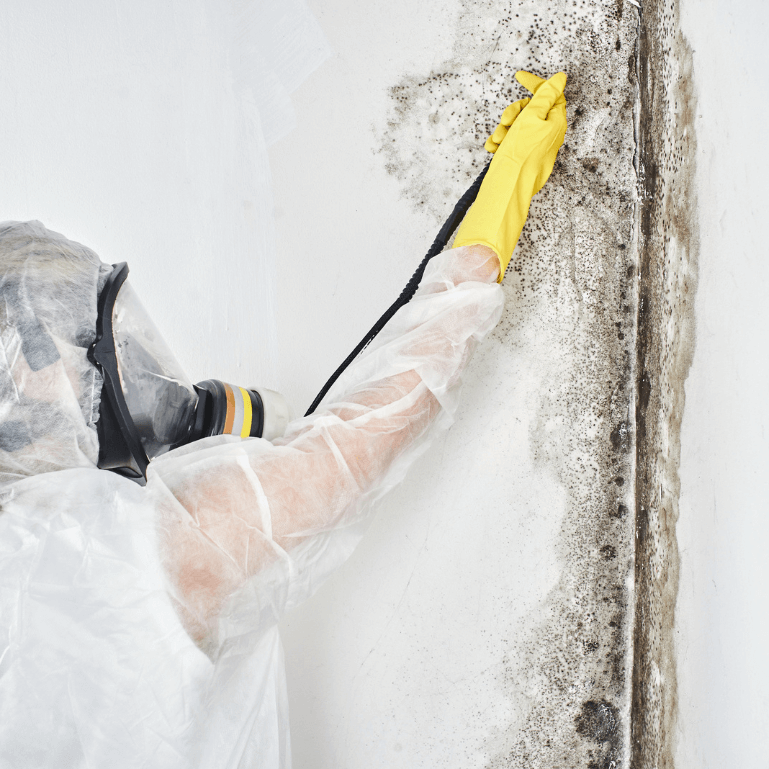
Mold Removal for Rental and Multifamily Properties
Rental properties and multifamily buildings can involve more than one occupied space. A moisture problem in one unit may also require attention to adjacent areas when water or moisture has moved through shared building components.
For these projects, inspection, documentation, controlled remediation, and moisture correction can help property owners and managers understand the scope before restoration work proceeds.
Where Can Mold Develop and What Causes It?
Mold is closely connected to moisture. In Kansas City properties, contamination may appear after a plumbing problem, storm, flood, roof leak or long-term humidity issue. The visible growth may be only one part of a larger moisture problem.
Mold After Water
Damage
A burst pipe, appliance leak, plumbing failure, or flooded area can leave moisture inside drywall, flooring, insulation, and other building materials. If the affected materials remain damp, mold can develop in areas that are not immediately visible. If mold appears after water damage, mold remediation may need to be coordinated with water extraction, structural drying, and moisture control.
Basement Mold
Basements can develop mold after flooding, foundation moisture, plumbing leaks, sump-pump problems, or elevated humidity. Mold may appear on drywall, carpet, wood framing, stored materials, and other surfaces. A basement mold assessment should consider both visible contamination and the moisture conditions affecting the lower level.
Crawl Space Mold
Crawl spaces can hold moisture because of groundwater intrusion, plumbing leaks, condensation or inadequate moisture control. Mold may develop on wood framing, insulation and other materials. Because crawl spaces can be difficult to access, an assessment should consider hidden moisture and affected structural materials.
Attic Mold
Roof leaks, condensation, ventilation problems and moisture entering from the living space can contribute to attic mold. Mold may develop on roof decking, insulation or wood components. If storm or roof damage introduced water into the attic, mold remediation may need to be coordinated with storm damage restoration and roof-related repairs.
Mold Behind Drywall
Visible staining is not always a complete indication of the affected area. Moisture can move behind drywall and into insulation or wall cavities. A musty odor, recurring staining or a history of water intrusion may justify further investigation.
Mold Under Flooring
Water can become trapped beneath flooring materials after plumbing leaks, flooding or other water intrusion. Depending on the flooring type and moisture exposure, sections of flooring or underlying materials may require assessment and possible removal.
Bathroom Mold
Bathrooms naturally produce moisture through showers, baths and steam. Poor ventilation, leaks, condensation or persistent humidity can create conditions favorable to mold growth around walls, ceilings, caulking, flooring and other surfaces.
HVAC-Related Mold
If moisture or contamination affects an HVAC system or air-distribution components, the problem can involve more than a single room. HVAC-related mold concerns should be evaluated carefully because the system can distribute air throughout multiple areas of a property.
Mold After Storm Damage
Kansas City storms can bring heavy rain, wind-driven water, roof damage and other forms of water intrusion. When moisture enters through a damaged roof, wall or window, hidden areas may remain damp after the visible water is gone. Restoration Services KC also provides storm damage restoration to address the underlying property damage when mold develops after a weather event.
Mold After Sewage Backup
Sewage and contaminated water require additional caution because the problem involves more than ordinary clean-water moisture. Affected porous materials may require specialized handling, removal, and sanitation.
Mold From High Humidity or Condensation
Not every mold problem starts with a major leak. Persistent humidity and condensation can create enough moisture for mold growth over time, particularly in poorly ventilated areas, bathrooms, basements, crawl spaces and other moisture-prone locations.
Hidden Mold
Hidden mold can exist behind walls, beneath flooring, inside insulation, in crawl spaces, attics or other concealed locations. When a property has a history of water intrusion together with persistent odor or unexplained moisture, professional assessment can help determine whether further investigation is appropriate.
Do You Need Professional Mold Removal?
Not every situation requires the same level of mold remediation. The appropriate response depends on the size and location of the affected area, the materials involved, the source of moisture, whether water damage is present, and whether contamination may extend beyond what is immediately visible.
Professional evaluation becomes particularly important when:
- Mold growth is extensive or recurring
- Hidden mold is suspected
- Mold developed after significant water damage
- Moisture continues to affect the property
- Mold may be present behind walls or beneath flooring
- HVAC contamination is suspected
- Porous building materials are affected
- Contaminated water was involved
- Previous cleaning did not resolve the problem
Can You Remove Mold Yourself?
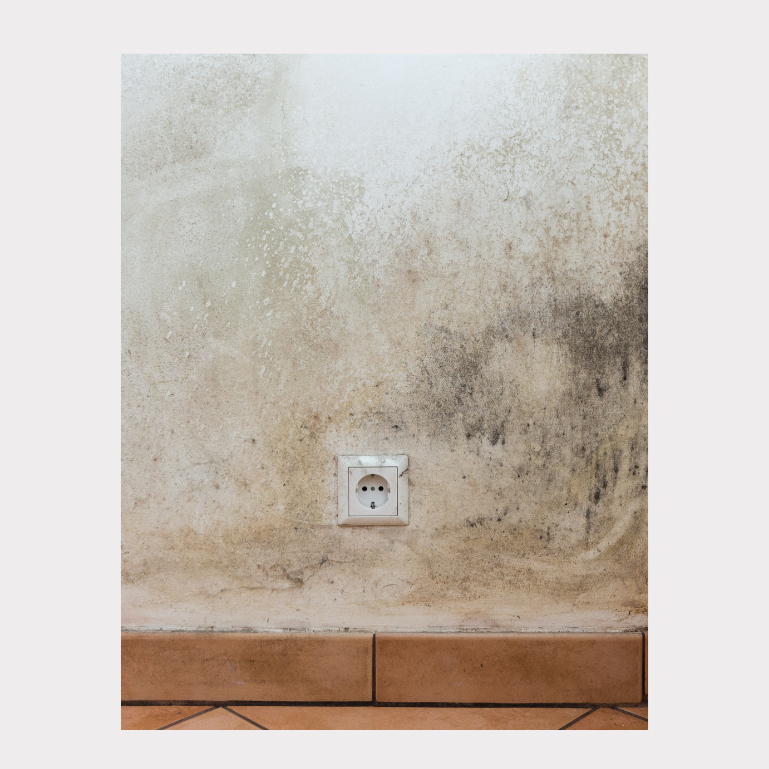
Small, isolated areas may sometimes be addressed without professional remediation, depending on the circumstances. However, larger contamination, hidden mold, significant water damage, HVAC involvement, or contaminated-water situations can require professional evaluation.
The question is not simply whether visible mold can be cleaned. It is whether the source, extent, affected materials, moisture conditions, and cleanup requirements have been properly understood.
How Much Mold Is Too Much?
There is no single measurement that can determine the correct remediation approach for every property. The appropriate response depends on the location, extent, material condition, moisture source, and circumstances surrounding the contamination.
Can Mold Be Completely Removed?
Visible mold can be addressed, and affected materials can be cleaned or removed as appropriate. However, mold can return when the underlying moisture problem remains unresolved.
That is why effective mold remediation includes attention to the conditions that allowed mold growth in the first place.
Why Does Mold Keep Coming Back?
Recurring mold can indicate that the underlying moisture condition has not been fully addressed. Plumbing leaks, roof leaks, condensation, high humidity, basement moisture, crawl space moisture, hidden water, or incomplete drying can all contribute to recurring conditions.
When mold repeatedly returns, the next step should be identifying the moisture pathway rather than repeatedly treating only the visible surface.
Mold After Water Damage: Why Moisture Control Matters
Water damage and mold can become connected when moisture remains in building materials or enclosed areas. A plumbing leak, burst pipe, flooding event, roof leak, or other water intrusion can leave behind conditions that support mold growth if affected materials are not properly dried.
Mold From Plumbing Leaks
A slow plumbing leak may remain unnoticed until staining, odor, damaged materials, or visible mold appears. When this occurs, mold removal should be considered together with identifying the source of the leak and evaluating the surrounding materials.
Mold From Flooding
Flooding can affect multiple materials and areas of a property at the same time. Depending on the source and extent of the water, remediation may require water extraction, drying, moisture assessment, containment, cleaning, and mold-related evaluation.
Mold From Flooding
Flooding can affect multiple materials and areas of a property at the same time. Depending on the source and extent of the water, remediation may require water extraction, drying, moisture assessment, containment, cleaning, and mold-related evaluation.
Final Repairs and Property Recovery
Restoration is not complete until your property feels safe, functional, and comfortable again. Our team helps with necessary repairs and rebuilding services to restore damaged areas and improve your property's condition.
Roof Leak Mold
A roof leak can introduce moisture into ceilings, walls, insulation, or attic spaces. If mold develops after a roof leak, the remediation plan should consider whether the water intrusion has been corrected before affected materials are addressed.
Final Repairs and Property Recovery
Restoration is not complete until your property feels safe, functional, and comfortable again. Our team helps with necessary repairs and rebuilding services to restore damaged areas and improve your property's condition.
Humidity, Condensation and Mold
Not every mold problem comes from a sudden water event. Persistent humidity and condensation can also create moisture conditions that support mold growth. For recurring mold, identifying the moisture source is therefore an essential part of the solution.
Final Repairs and Property Recovery
Restoration is not complete until your property feels safe, functional, and comfortable again. Our team helps with necessary repairs and rebuilding services to restore damaged areas and improve your property's condition.
Water Damage Mold Removal
When mold follows water damage, the property may require both water damage restoration and mold remediation. Drying the affected area helps address moisture, while mold remediation addresses contamination that has already developed. Restoration Services KC can evaluate the relationship between the water event, moisture conditions, affected materials, and mold concern so the appropriate recovery steps can be determined.
Serving Kansas City and Surrounding Areas With Reliable Restoration Solutions
Property damage can happen at any time, and having access to a trusted local restoration company can make the recovery process faster and more manageable. Restoration Services KC provides professional restoration solutions for homeowners and businesses throughout Kansas City and nearby communities.
Our team understands the property challenges that local customers face, including severe weather events, water-related issues, moisture concerns, fire incidents, and unexpected emergencies. We provide restoration services designed around the needs of Kansas City properties.
Whether you need emergency cleanup, damage assessment, or complete property recovery, our restoration specialists are ready to help you take the next step toward restoring your space.
Local Restoration Support for Kansas City Properties
Working with a local restoration company provides important advantages, including faster response times, knowledge of common property issues, and personalized customer support.
Restoration Services KC focuses on delivering dependable restoration solutions while helping local property owners navigate stressful situations with confidence.
Our local restoration services help with:
- Residential property damage recovery
- Emergency cleanup situations
- Fire and smoke damage
- Storm-related damage
- Commercial restoration needs
- Water and moisture problems
- Mold concerns
Our Complete Property Restoration Process
Experiencing property damage can feel overwhelming, but having a clear restoration process helps you understand what happens next. Restoration Services KC follows a structured approach to restore your property efficiently, safely, and with minimal disruption.
Emergency Response and Damage Inspection
The first step is understanding the severity of the damage. Our team performs a detailed inspection to locate affected areas, determine the cause of damage, and identify immediate risks that require attention.
We assess water intrusion, structural concerns, mold risks, smoke damage, and other issues to develop the right restoration strategy.
Damage Containment and Safety Measures
Before restoration begins, we take necessary steps to prevent additional damage. This may include controlling moisture, securing damaged areas, removing hazards, and protecting unaffected parts of your property.
Proper containment helps reduce the possibility of further problems and supports a more effective restoration process.
Professional Cleanup and Restoration
Using professional equipment and proven restoration methods, our team removes damaged materials, cleans affected areas, and restores your property based on the specific type of damage.
Whether your property needs water extraction, smoke cleanup, mold removal, or structural repairs, we focus on delivering thorough and reliable results.
Final Repairs and Property Recovery
Restoration is not complete until your property feels safe, functional, and comfortable again. Our team helps with necessary repairs and rebuilding services to restore damaged areas and improve your property's condition.
Professional Cleanup and Restoration
Using professional equipment and proven restoration methods, our team removes damaged materials, cleans affected areas, and restores your property based on the specific type of damage.
Whether your property needs water extraction, smoke cleanup, mold removal, or structural repairs, we focus on delivering thorough and reliable results.
Final Repairs and Property Recovery
Restoration is not complete until your property feels safe, functional, and comfortable again. Our team helps with necessary repairs and rebuilding services to restore damaged areas and improve your property's condition.
Professional Cleanup and Restoration
Using professional equipment and proven restoration methods, our team removes damaged materials, cleans affected areas, and restores your property based on the specific type of damage.
Whether your property needs water extraction, smoke cleanup, mold removal, or structural repairs, we focus on delivering thorough and reliable results.
Professional Cleanup and Restoration
Using professional equipment and proven restoration methods, our team removes damaged materials, cleans affected areas, and restores your property based on the specific type of damage.
Whether your property needs water extraction, smoke cleanup, mold removal, or structural repairs, we focus on delivering thorough and reliable results.
Local Restoration Support for Kansas City Properties
Working with a local restoration company provides important advantages, including faster response times, knowledge of common property issues, and personalized customer support.
Restoration Services KC focuses on delivering dependable restoration solutions while helping local property owners navigate stressful situations with confidence.
Our local restoration services help with:
- Residential property damage recovery
- Emergency cleanup situations
- Fire and smoke damage
- Storm-related damage
- Commercial restoration needs
- Water and moisture problems
- Mold concerns
Local Restoration Support for Kansas City Properties
Working with a local restoration company provides important advantages, including faster response times, knowledge of common property issues, and personalized customer support.
Restoration Services KC focuses on delivering dependable restoration solutions while helping local property owners navigate stressful situations with confidence.
Our local restoration services help with:
- Residential property damage recovery
- Emergency cleanup situations
- Fire and smoke damage
- Storm-related damage
- Commercial restoration needs
- Water and moisture problems
- Mold concerns
Serving Kansas City and Surrounding Areas With Reliable Restoration Solutions
Property damage can happen at any time, and having access to a trusted local restoration company can make the recovery process faster and more manageable. Restoration Services KC provides professional restoration solutions for homeowners and businesses throughout Kansas City and nearby communities.
Our team understands the property challenges that local customers face, including severe weather events, water-related issues, moisture concerns, fire incidents, and unexpected emergencies. We provide restoration services designed around the needs of Kansas City properties.
Whether you need emergency cleanup, damage assessment, or complete property recovery, our restoration specialists are ready to help you take the next step toward restoring your space.
Local Restoration Support for Kansas City Properties
Working with a local restoration company provides important advantages, including faster response times, knowledge of common property issues, and personalized customer support.
Restoration Services KC focuses on delivering dependable restoration solutions while helping local property owners navigate stressful situations with confidence.
Our local restoration services help with:
- Residential property damage recovery
- Emergency cleanup situations
- Fire and smoke damage
- Storm-related damage
- Commercial restoration needs
- Water and moisture problems
- Mold concerns
Why Is Choosing the Right Restoration Company Important?
When your property experiences unexpected damage, choosing an experienced restoration company can make a major difference in the recovery process. The right team helps reduce further damage, provides professional guidance, and ensures restoration work is completed safely and effectively.
Restoration Services KC focuses on delivering reliable restoration solutions through fast response, clear communication, professional techniques, and attention to every detail.
We understand that property damage can be stressful. Our goal is to make the restoration process easier by providing dependable support from the initial inspection through final recovery.
Why Is Choosing the Right Restoration Company Important?
We understand that property damage can be stressful. Our goal is to make the restoration process easier by providing dependable support from the initial inspection through final recovery.
Specialized in Ultrasound and Quick Cleaning Methods
Our approach utilizes modern techniques in the assessment of mold and modern techniques in the complete removal of the fungi.
Tight measures and precautionary tools for security
First of all, we do care about your safety. In addition, we always keep containment levels as high as possible while also implementing the best practices for safety at the scene.
EPA-Approved Antimicrobial Products
All the antimicrobial products that we utilize have passed EPA standards and qualified as environmentally friendly products to prevent mold growth.
Descriptive Records for Insurance Cases
We also offer detailed documentation in order to give you adequate reports as well as evidence in your insurance claims.
Commitment to Customer Satisfaction
This stems from the great emphasis that we put on our personalized customer relations, clear communication with our clients, and total client satisfaction.
Serving Kansas City and Surrounding Areas With Reliable Restoration Solutions
When your property experiences unexpected damage, choosing an experienced restoration company can make a major difference in the recovery process. The right team helps reduce further damage, provides professional guidance, and ensures restoration work is completed safely and effectively.
Local Restoration Support for Kansas City Properties
Working with a local restoration company provides important advantages, including faster response times, knowledge of common property issues, and personalized customer support.
Restoration Services KC focuses on delivering dependable restoration solutions while helping local property owners navigate stressful situations with confidence.
Our local restoration services help with:
- Residential property damage recovery
- Emergency cleanup situations
- Fire and smoke damage
- Storm-related damage
- Commercial restoration needs
- Water and moisture problems
- Mold concerns
Local Restoration Support for Kansas City Properties
Working with a local restoration company provides important advantages, including faster response times, knowledge of common property issues, and professional mold removal services, along with personalized customer support.
Restoration Services KC focuses on delivering dependable restoration solutions while helping local property owners navigate stressful situations with confidence.
Our local restoration services help with:
- Residential property damage recovery
- Emergency cleanup situations
- Fire and smoke damage
- Storm-related damage
- Commercial restoration needs
- Water and moisture problems
- Mold concerns
When your property experiences unexpected damage, choosing an experienced restoration company can make a major difference in the recovery process. The right team helps reduce further damage, provides professional guidance, and ensures restoration work is completed safely and effectively.
What Restoration Services Does Restoration Services KC Provide?
Every property damage situation is different, and each requires a specialized restoration approach. Restoration Services KC provides complete restoration solutions designed to help homeowners and businesses recover from unexpected damage quickly and effectively.
Our team handles everything from emergency cleanup and damage mitigation to full property restoration. By offering multiple restoration services under one trusted company, we help simplify the recovery process and provide consistent support from start to finish.
Water Damage Restoration
Water damage can happen unexpectedly due to burst pipes, plumbing failures, appliance leaks, flooding, or severe weather. If moisture is not removed quickly, it can lead to structural damage, unpleasant odors, and mold growth.
Restoration Services KC provides professional water damage restoration services focused on fast water removal, moisture detection, drying, cleaning, and restoring affected areas.
Fire and Smoke Damage Restoration
Fire damage affects more than the areas directly touched by flames. Smoke residue, soot, odors, and hidden damage can continue impacting your property even after the fire is extinguished.
Our fire and smoke restoration services focus on cleaning damaged areas, removing smoke-related contaminants, repairing affected structures, and restoring your property as completely as possible.
Mold Testing and Remediation
Moisture problems can create the perfect environment for mold growth. Mold may develop behind walls, under flooring, in ceilings, or other hidden areas where it can affect indoor conditions.
Restoration Services KC provides professional mold testing and remediation solutions to identify mold concerns, remove affected materials, and help create a healthier indoor environment.
Storm Damage Restoration
Severe weather can cause significant property damage, including roof issues, water intrusion, structural problems, and exterior damage. Quick professional restoration helps prevent additional complications.
Our storm damage restoration services help property owners recover after unexpected weather events through efficient cleanup, damage assessment, and repair coordination.
Sewage Cleanup and Biohazard Restoration
Sewage backups and hazardous contamination require immediate professional attention because they can create serious health and property concerns.
Our sewage cleanup services focus on safe removal, proper sanitation, and restoring affected areas using appropriate safety procedures and professional equipment.
Reconstruction and Property Repairs
Complete restoration often requires more than cleanup. After major damage, affected areas may need repairs or rebuilding to restore the property's function and appearance.
Restoration Services KC provides reconstruction support to help bring damaged spaces back to their original condition.
Storm Damage Restoration
Severe weather can cause significant property damage, including roof issues, water intrusion, structural problems, and exterior damage. Quick professional restoration helps prevent additional complications.
Our storm damage restoration services help property owners recover after unexpected weather events through efficient cleanup, damage assessment, and repair coordination.
Sewage Cleanup and Biohazard Restoration
Sewage backups and hazardous contamination require immediate professional attention because they can create serious health and property concerns.
Our sewage cleanup services focus on safe removal, proper sanitation, and restoring affected areas using appropriate safety procedures and professional equipment.
Reconstruction and Property Repairs
Complete restoration often requires more than cleanup. After major damage, affected areas may need repairs or rebuilding to restore the property's function and appearance.
Restoration Services KC provides reconstruction support to help bring damaged spaces back to their original condition.
Areas We Serve: Serving Kansas City and the surrounding areas.
Frequently Asked Questions About Restoration Services
Restoration Services KC provides complete property restoration solutions, including water damage restoration, fire and smoke damage restoration, mold remediation, storm damage restoration, sewage cleanup, and reconstruction services.
Our team helps property owners recover from different types of damage through professional assessment, cleanup, repair, and restoration support.
Contacting a restoration company as soon as possible can help reduce additional damage and prevent problems from becoming worse. Water, moisture, smoke, and structural issues can continue affecting your property if they are not addressed quickly.
Early professional assistance helps identify the problem, control the damage, and begin the recovery process sooner.
Yes. Excess moisture from leaks, flooding, or water damage can create conditions where mold may develop. Professional drying, moisture control, and proper restoration help reduce the risk of future mold growth.
The restoration process usually begins with a property inspection and damage assessment. After identifying the problem, restoration professionals perform necessary cleanup, drying, repairs, and recovery services based on the type and severity of damage.
Yes. Restoration Services KC provides restoration solutions for both residential and commercial properties. Our services are customized based on the property's size, damage type, and recovery requirements.
Restore Your Property With a Trusted Kansas City Restoration Team
Property damage can be stressful, but you do not have to handle the recovery process alone. Restoration Services KC provides professional restoration services designed to help you recover quickly and protect your property for the future.
From emergency response to complete restoration, our team is committed to providing reliable service, clear communication, and quality workmanship.
When you need professional restoration assistance in Kansas City, our team is ready to help.
Contact Restoration Services KC Today for Professional Property Restoration Support
- 24/7 Emergency Restoration Support
- Professional Damage Assessment
- Complete Property Recovery Solutions